5 Customer Engagement Strategies That Drive Real Growth in 2024

James Whitfield
21 April 2026
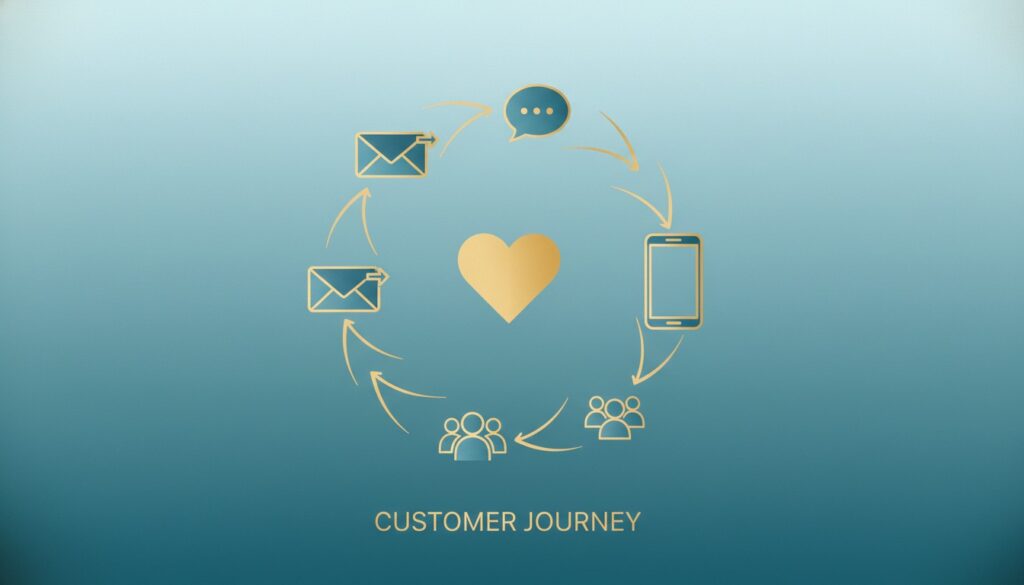
5 Customer Engagement Strategies That Drive Real Growth in 2024
Customer engagement has evolved far beyond the days of batch-and-blast email campaigns and generic loyalty punch cards. In 2024, the businesses that are winning — truly winning — are the ones that treat engagement not as a marketing tactic, but as a core growth engine. They’re building relationships that feel personal, timely, and genuinely valuable.
The numbers back this up. According to Gallup, fully engaged customers represent a 23% premium in share of wallet, profitability, and revenue compared to average customers. Meanwhile, Salesforce reports that 80% of customers now say the experience a company provides is as important as its products and services.
So how do you move from transactional interactions to transformational relationships? In this post, we’ll break down five data-driven customer engagement strategies that leading businesses are using right now to build deeper connections, boost retention, and turn satisfied customers into passionate brand advocates.
1. Hyper-Personalization Powered by First-Party Data
Why It Matters
Generic messaging is dead. Customers don’t just prefer personalization — they expect it. McKinsey found that 71% of consumers expect companies to deliver personalized interactions, and 76% get frustrated when this doesn’t happen.
But here’s the catch: with third-party cookies disappearing and privacy regulations tightening, the old playbook for personalization is obsolete. The winners in 2024 are the brands that have invested heavily in first-party data strategies.
How to Implement It
- Build a unified customer data platform (CDP). Consolidate data from your website, app, CRM, support tickets, and purchase history into a single customer view. Tools like Segment, Klaviyo, or HubSpot can help.
- Use behavioral triggers, not just demographics. Instead of segmenting customers by age or location alone, trigger communications based on what they actually do — pages visited, products browsed, support tickets opened, or milestones reached.
- Create dynamic content experiences. Serve different homepage banners, email content blocks, and product recommendations based on each customer’s unique journey stage and preferences.
- Ask directly. Don’t underestimate the power of preference centers and progressive profiling. Let customers tell you what they care about.
- Choose the right platform. This could be a dedicated forum (Discourse, Circle), a Slack or Discord workspace, a Facebook Group, or even a subreddit. The key is going where your customers already feel comfortable.
- Provide genuine value. Don’t build a community just to sell. Offer exclusive content, early access to features, AMAs with your team, educational resources, and spaces for peer-to-peer support.
- Empower super users. Identify your most active and enthusiastic customers and give them special roles, recognition, or rewards. These community champions will do more for engagement than any marketing campaign.
- Integrate community feedback into your product roadmap. When customers see their suggestions actually implemented, their sense of ownership — and loyalty — skyrockets.
- Monitor health scores. Build a customer health scoring system that tracks product usage, support ticket frequency, NPS responses, and engagement metrics. When a score dips, trigger outreach automatically.
- Onboarding check-ins. The first 30 days are critical. Schedule automated (but personal-feeling) check-ins at key milestones: Day 1, Day 7, Day 14, and Day 30.
- Usage-based nudges. If a customer hasn’t used a key feature that correlates with long-term retention, send them a targeted tutorial or offer a quick walkthrough call.
- Celebrate milestones. Anniversaries, usage milestones, goal completions — these are opportunities to make customers feel seen and valued.
- Preemptive issue communication. If you know there’s a bug, an outage, or a breaking change coming, tell affected customers before they discover it themselves. Transparency builds trust.
- Touch 1 — Welcome & Orient (Day 1-3): Personalized welcome message with quick-start resources tailored to their use case.
- Touch 2 — Activate & Educate (Day 7-14): Check if they’ve completed key activation steps. If not, offer help. If yes, introduce advanced features.
- Touch 3 — Validate & Expand (Day 25-30): Ask about their experience, gather feedback, and introduce relevant upsell or cross-sell opportunities only if they’ve achieved initial value.
- Unify your tech stack. Your CRM, marketing automation, support platform, and analytics tools need to share data. Siloed systems create siloed experiences.
- Map the customer journey across channels. Identify the most common paths customers take and ensure transitions between channels are seamless. If someone starts a conversation on live chat, your support team should have full context when that customer follows up via email.
- Let customers choose their channel. Don’t force everyone into the same funnel. Some customers prefer self-service knowledge bases. Others want to talk to a human. Some love SMS updates. Offer options and respect preferences.
- Maintain brand voice and consistency. Whether a customer reads your blog, receives an email, or interacts with your chatbot, the tone, quality, and helpfulness should feel like the same brand.
- Identify your advocates with data. Look at NPS promoters (scores of 9-10), frequent referrers, social media mentioners, and community contributors. These are your potential advocates.
- Make it easy to share. Provide one-click referral links, pre-written social media posts, shareable case study templates, and easy review submission processes.
- Reward meaningfully. Go beyond discounts. Offer early access to new features, exclusive events, co-marketing opportunities, or even equity/profit-sharing for your biggest advocates.
- Tell their stories. Feature customer success stories prominently on your website, in your emails, and at events. When customers see themselves as the hero of your brand narrative, their engagement deepens.
- Create tiered programs. Gamification elements like tiers, badges, and leaderboards tap into intrinsic motivation and keep advocates engaged over time.
- Personalization makes customers feel understood → leading to deeper engagement.
- Community gives them a sense of belonging → strengthening their connection to your brand.
- Proactive success ensures they achieve their goals → building trust and satisfaction.
- Omnichannel consistency meets them wherever they are → reducing friction and frustration.
- Advocacy programs channel their enthusiasm into growth → bringing in new customers who enter the flywheel themselves.
- Customer Lifetime Value (CLV): Are engaged customers spending more over time?
- Net Promoter Score (NPS): Are customers willing to recommend you?
- Customer Retention Rate: Are you keeping customers longer?
- Product Adoption Rate: Are customers using your key features?
- Community Growth & Activity: Is your community growing and active?
- Referral Rate: What percentage of new customers come from existing ones?
- Customer Effort Score (CES): How easy is it for customers to get value from your product?
Pro Tip: Start small. You don’t need a million-dollar AI platform to personalize effectively. Even segmenting your email list into three or four behavior-based cohorts and tailoring your messaging can yield a 2-3x improvement in click-through rates.
Real-World Example
Spotify’s Wrapped campaign is a masterclass in first-party data personalization. By turning individual listening data into a shareable, emotionally resonant experience, Spotify doesn’t just engage users — it turns them into voluntary brand ambassadors who flood social media with free advertising every December.
2. Community-Led Engagement
Why It Matters
In an era of information overload, people trust people more than they trust brands. Building a community around your product or service creates a self-sustaining engagement loop where customers help each other, share ideas, and develop an emotional connection to your brand that no amount of advertising can replicate.
Community-led growth is one of the most powerful — and underutilized — strategies in the customer engagement toolkit.
How to Implement It
Key Insight: According to a CMX report, 86% of companies with branded online communities say the community has positively impacted their core business operations, including customer retention and product development.
Real-World Example
Notion built one of the most vibrant user communities in SaaS. Their community members create templates, tutorials, and YouTube content that serves as both engagement and acquisition fuel. The result? Organic growth that compounds over time with minimal paid spend.
3. Proactive Customer Success and Support
Why It Matters
Most companies treat customer support as a reactive function — waiting for something to go wrong before stepping in. But the most engaged customer bases are built by companies that reach out before there’s a problem.
Proactive engagement signals to customers that you care about their success, not just their subscription fee. It reduces churn, increases lifetime value, and creates moments of delight that customers remember and talk about.
How to Implement It
“The best customer service is when the customer doesn’t need to call you, doesn’t need to talk to you. It just works.” — Jeff Bezos
While Bezos’ quote captures the ideal, the reality is that when you do reach out proactively, you create a competitive moat that’s incredibly hard to replicate.
Practical Framework: The 3-Touch Proactive Outreach Model
4. Omnichannel Engagement with Consistent Context
Why It Matters
Your customers don’t think in channels. They don’t say, “I’ll interact with this brand on email today and social media tomorrow.” They flow seamlessly between your website, app, email, social media, live chat, SMS, and in-store experiences — and they expect you to keep up.
The brands that deliver a truly omnichannel experience — where context carries over from one touchpoint to the next — see dramatically higher engagement and retention rates. Aberdeen Group research shows that companies with strong omnichannel engagement retain 89% of their customers, compared to just 33% for companies with weak omnichannel strategies.
How to Implement It
Quick Wins for Omnichannel Engagement
| Channel | Engagement Tactic | Expected Impact |
|———|——————-|—————-|
| Email | Behavior-triggered sequences | 2-3x higher open rates |
| SMS | Transactional updates + exclusive offers | 98% open rate |
| In-App | Contextual tooltips and feature announcements | 30%+ feature adoption |
| Social | Responsive DM support + UGC campaigns | Increased brand affinity |
| Live Chat | Proactive chat triggers on high-intent pages | 15-25% conversion lift |
5. Turning Customers into Advocates Through Value-First Programs
Why It Matters
Referral and advocacy programs aren’t new. But in 2024, the most effective programs have shifted from transactional incentives (“Give $10, get $10”) to value-first ecosystems where advocacy feels natural and rewarding beyond just monetary perks.
When done right, customer advocacy becomes your most cost-effective and credible acquisition channel. Nielsen reports that 92% of consumers trust recommendations from people they know over any form of advertising.
How to Implement It
Important: The foundation of any advocacy program is a genuinely great product and customer experience. No incentive structure can compensate for a mediocre offering. Earn advocacy first, then systematize it.
Real-World Example
HubSpot’s partner and advocate ecosystem is legendary. Their Solutions Partner Program doesn’t just offer referral fees — it provides training, certifications, co-marketing support, and a community of peers. The result is an army of knowledgeable advocates who actively sell and support HubSpot’s products because they’ve built their own businesses around the platform.
Bringing It All Together: The Engagement Flywheel
These five strategies don’t operate in isolation. They form an engagement flywheel:
Key Metrics to Track Your Engagement Success
You can’t improve what you don’t measure. Here are the essential metrics to monitor:
Conclusion
Customer engagement in 2024 isn’t about doing more — it’s about doing what matters better. The brands that will thrive are those that invest in understanding their customers deeply, meeting them where they are, helping them succeed proactively, and creating ecosystems where advocacy happens organically.
The five strategies outlined here — hyper-personalization, community-led engagement, proactive customer success, omnichannel consistency, and value-first advocacy — represent the cutting edge of customer engagement. But they all share a common thread: they put the customer’s success and experience at the center of everything.
Start with one strategy. Master it. Then layer on the next. The flywheel takes time to build, but once it’s spinning, the results compound in ways that transform your business.
Ready to Transform Your Customer Engagement?
Don’t let these insights sit idle. Pick one strategy from this list and commit to implementing it this quarter. Whether it’s setting up your first behavior-triggered email sequence, launching a customer community, or building a proactive onboarding flow — the key is to start.
Want more actionable insights on customer success, retention, and growth? Subscribe to our newsletter for weekly deep dives, frameworks, and real-world case studies from the brands that are getting engagement right.
Have questions or want to share your own engagement wins? Drop a comment below — we’d love to hear from you.